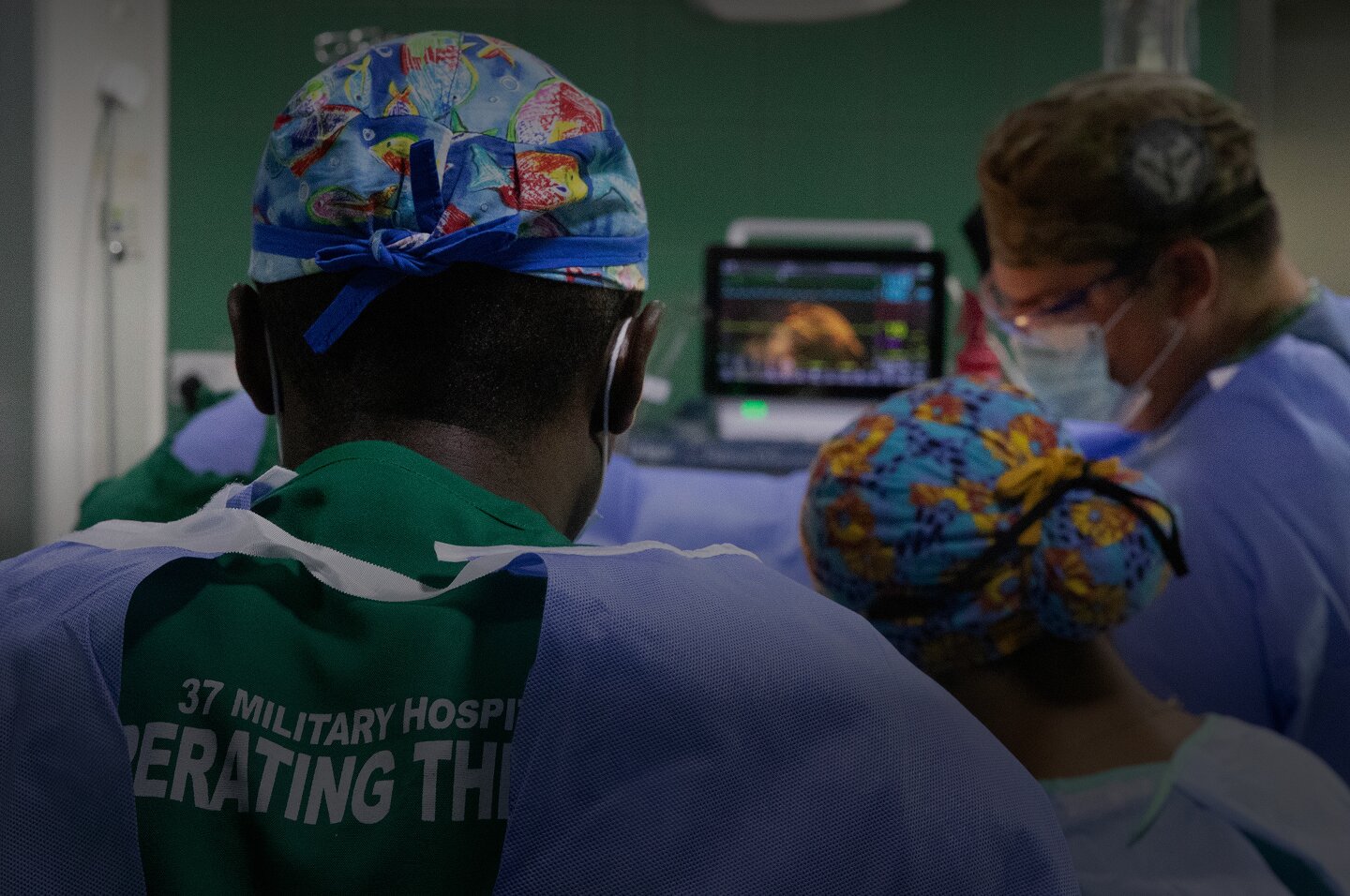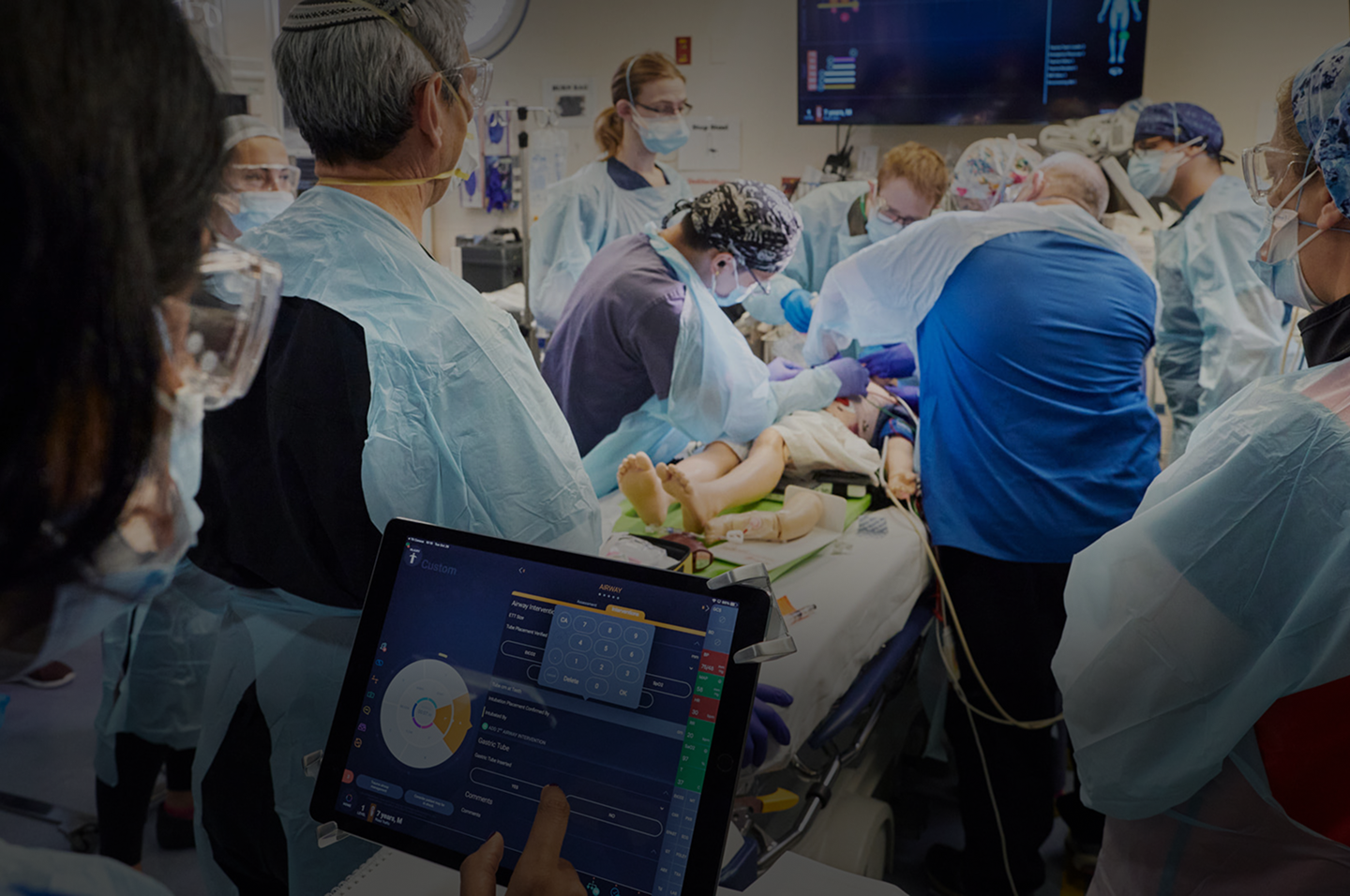
In March, T6 Health Systems will participate in the Deployed Medical & Healthcare Delivery (DMHD) conference in London, joining military medical leaders, defense planners, and allied partners focused on the future of operational medicine.
During the conference, Master Chief Joe Espinosa (USN, Ret.) will address how deployed medicine is evolving beyond healthcare delivery – and increasingly toward health intelligence as a warfighting decision advantage.
With three decades of service across naval and expeditionary medical operations, Master Chief Espinosa brings a practitioner’s perspective to the discussion. His experience spans Fleet, Marine Corps, and expeditionary assignments where medical readiness directly affected operational capability.
In today’s environment, the connection between health and mission outcomes is more explicit than ever.
From Healthcare Delivery to Health Intelligence
For years, deployed medical systems were viewed primarily as healthcare delivery tools – focused on documentation, continuity and recordkeeping.
That paradigm is shifting.
Modern operational environments demand more. Systems must now enable commanders to:
- See real-time health and readiness data across formations
- Trust that the data is accurate, resilient and operationally relevant
- Predict how medical variables may influence mission tempo, force availability, and operational risk
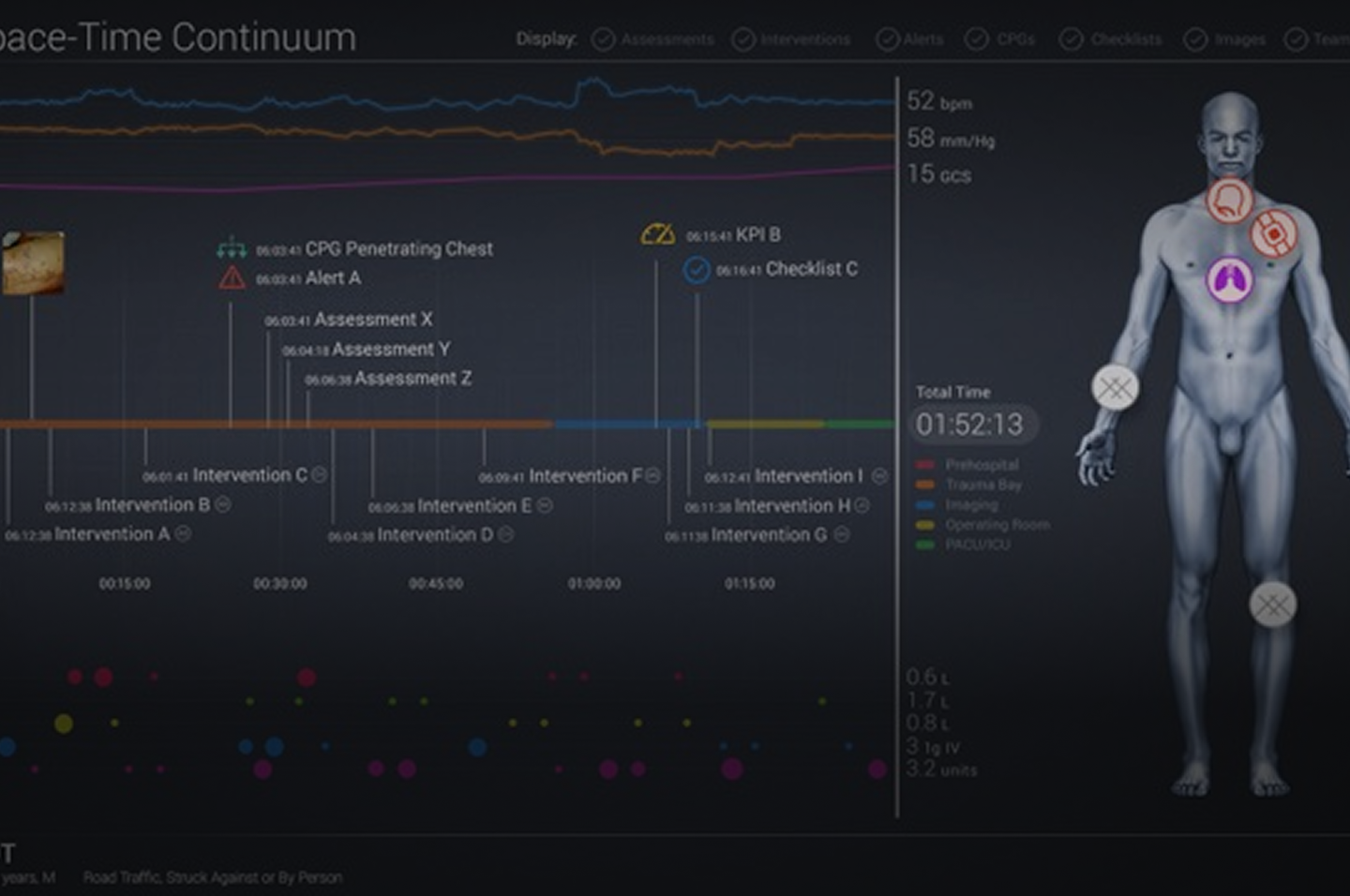
When health data moves securely and reliably across echelons of care – from point of injury through Role 2 and beyond – it becomes more than documentation. It becomes actionable intelligence. .
Health and Readiness as Operational Variables
Large-scale combat operations, contested logistics, and degraded communications introduce new complexity into medical planning. Casualty projections, evacuation timelines, and disease and non-battle injuries all shape combat power.
Operational medicine now intersects directly with command decision-making. The ability to synthesize medical data at operational speed contributes to reduced uncertainty, improved situational awareness, and better-informed resource allocation.
Medical readiness is force readiness. Health intelligence enables commanders to account for both in real time.
Enabling Decision Advantage Across the Continuum of Care
Advancements in deployed medical systems are increasingly aligned with the broader concept of decision advantage. Timely, trusted health information allows leaders to anticipate requirements, inform operational planning, and sustain combat power in contested environments.
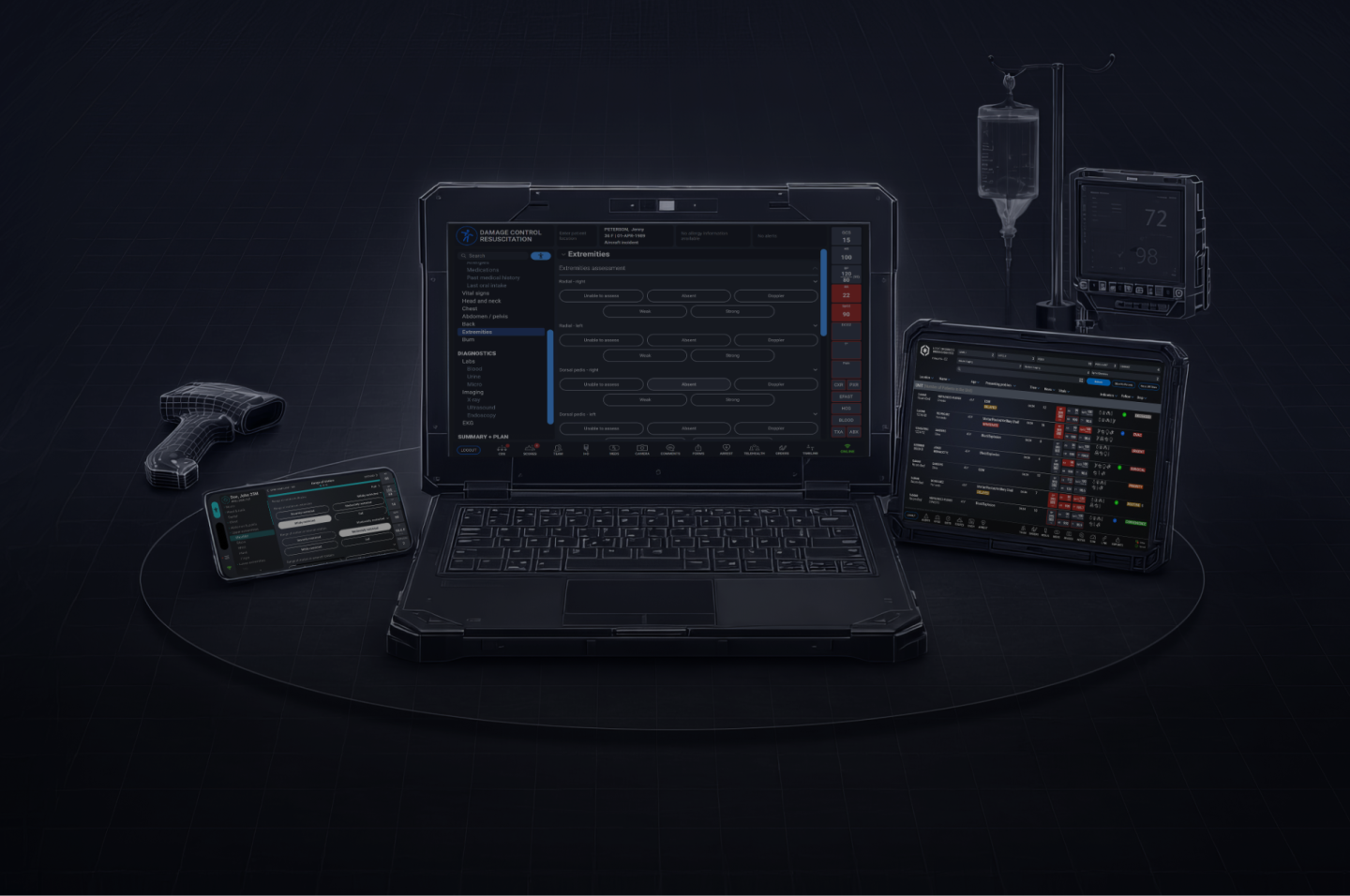
An integrated medical enterprise – designed for disconnected, degraded and austere conditions – ensures continuity of care while also supporting operational insight. This integration strengthens not only clinical performance, but overall warfighting effectiveness.
As multinational operations become the norm, Interoperability across allied medical services further reinforces the importance of shared standards and coalition-ready architectures.
Contributing to the Conversation at DMHD
At DMHD 2026, the focus will be on how advancements in operational medicine are enabling faster, better-informed decisions at every level – from medic to commander.
Health intelligence is emerging as a foundational component of readiness. As operational environments evolve, so must the systems that inform medical leaders and support command authority.
We look forward to engaging with partners and allies in this important dialogue.