In operational medicine, victory rarely arrives all at once. It happens in moments.
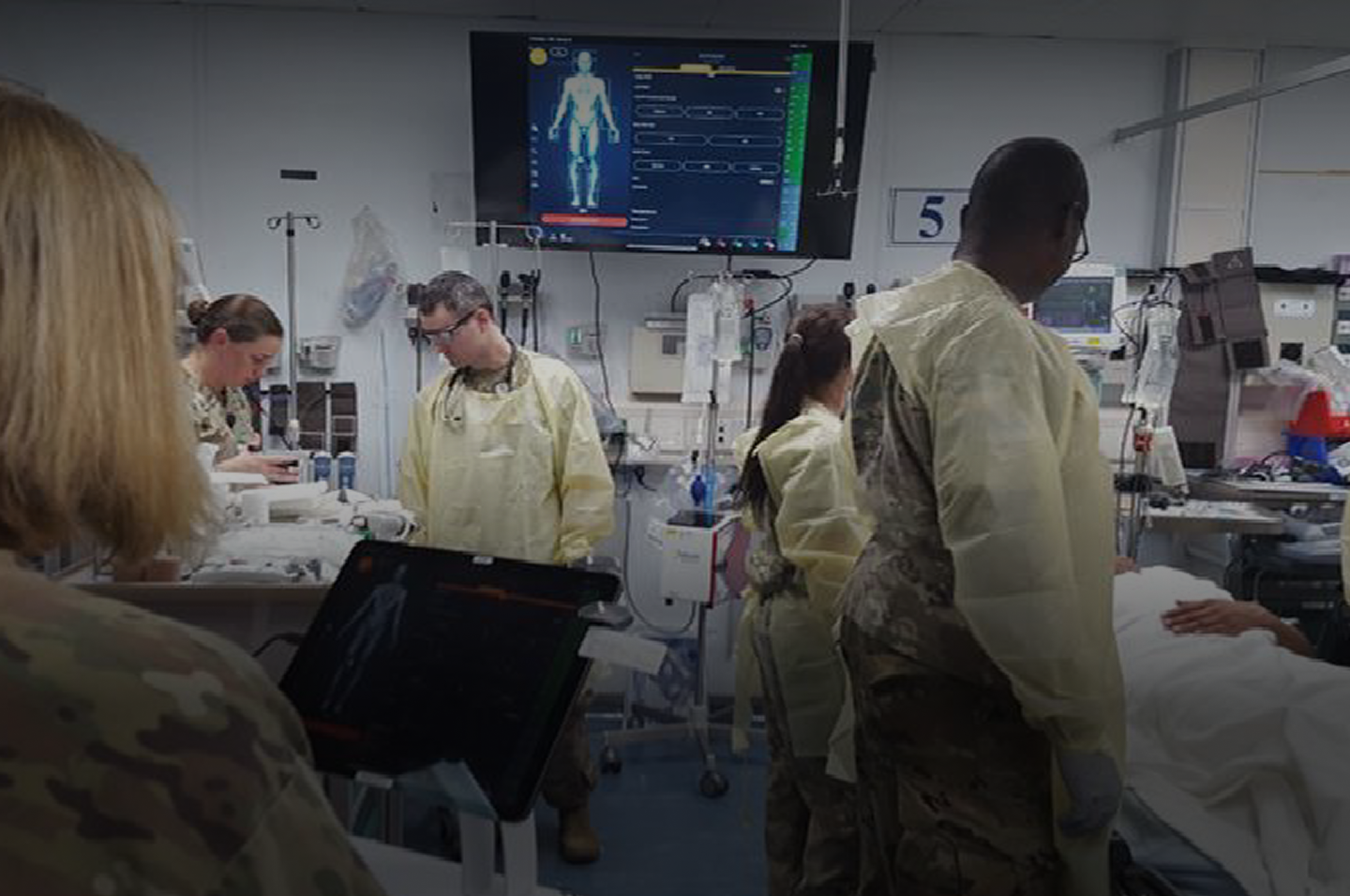
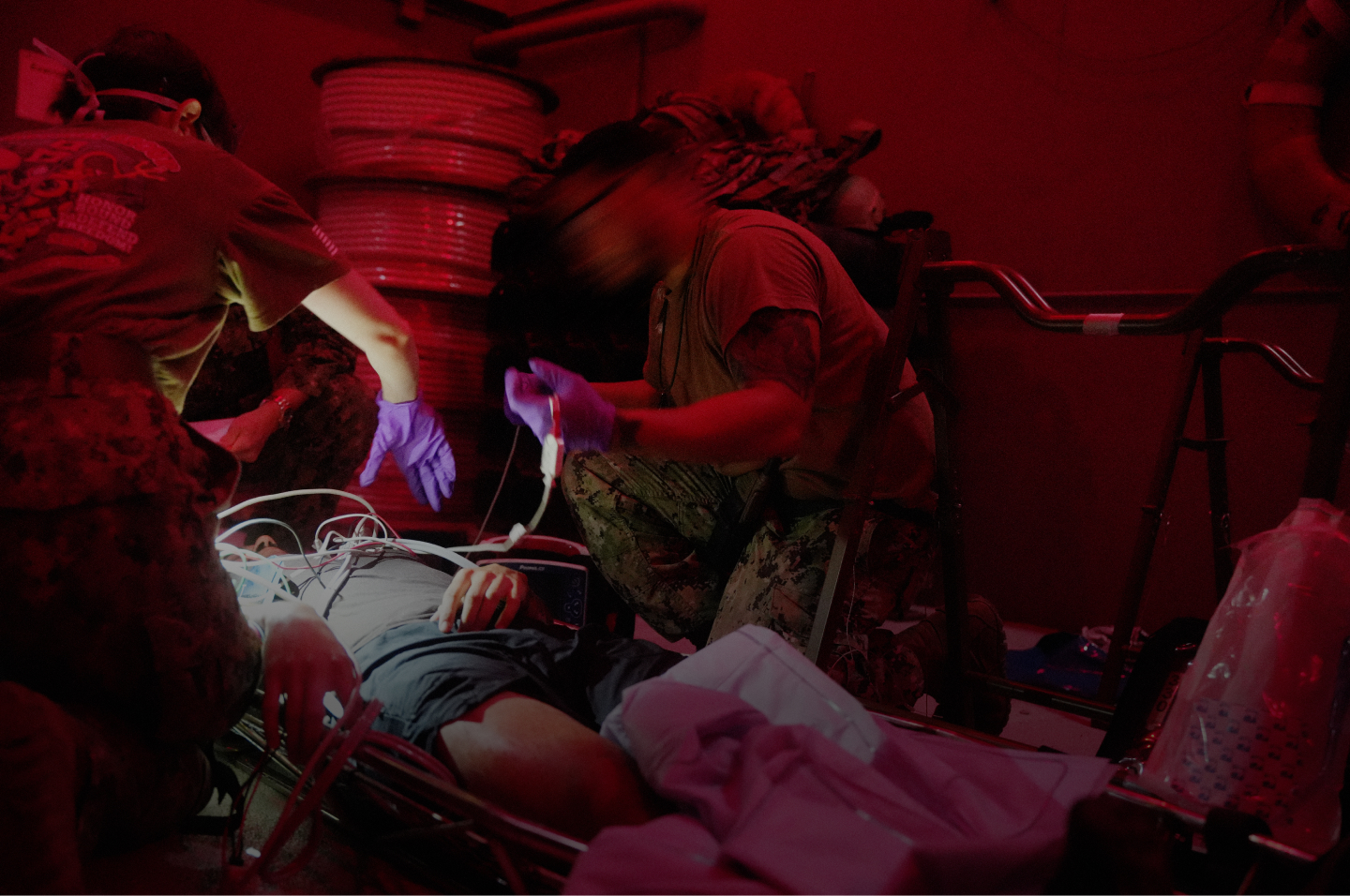
A medic capturing critical data under fire so a Role 2 forward surgical team can make data-driven limb-salvage decisions. A Corpsman aboard a destroyer seeing a patient’s complete allergy history before administering a medication. A clinician caring for a casualty over a prolonged time at a forward operating base, then handing off a complete record the moment the MEDEVAC team arrives. A flight surgeon reviewing aggregated injury and recovery trends across a squadron to inform return-to-duty decisions and keep deployable strength accurate. Patient health records moving reliably from theater to garrison, preserving continuity of care, sustaining force readiness, and ensuring critical health information remains accessible across the continuum of care.
These are the moments that define operational medicine. They are also the moments traditional EHRs were never designed to support. They are the quiet wins that rarely make headlines — but they shape survivability, outcomes, and joint force readiness every single day.
At T6 Health Systems, we believe those small victories matter. Because when operational medicine works at the tactical edge, America’s warfighters are stronger, faster, and more prepared for whatever comes next.
Progress, Not Just Promises
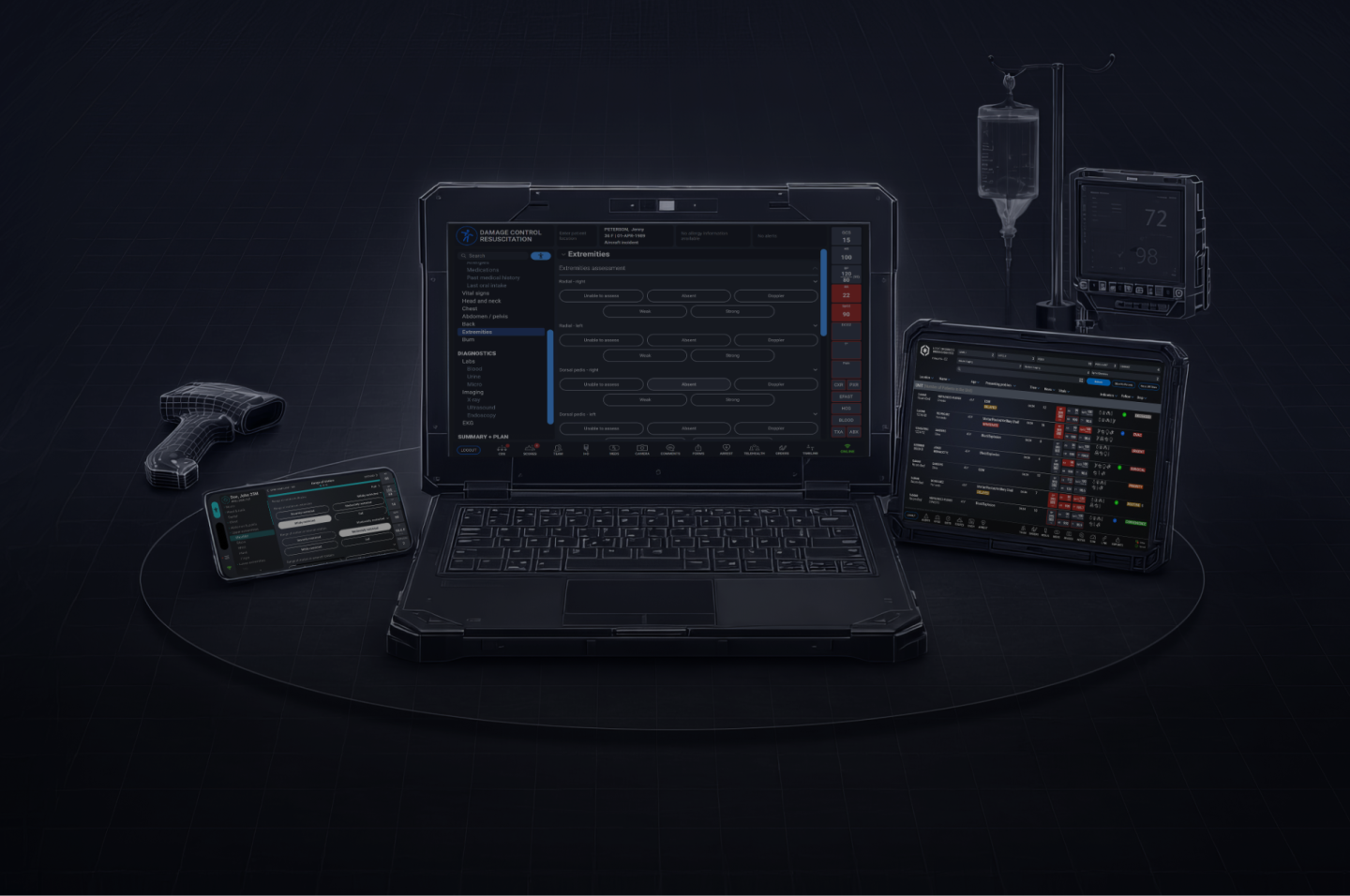
Three years ago, the Defense Health Agency selected T6 Health Systems’ commercial off-the-shelf platform as the Operational Medicine Care Delivery Platform (OpMed CDP) to modernize healthcare delivery in deployed environments.
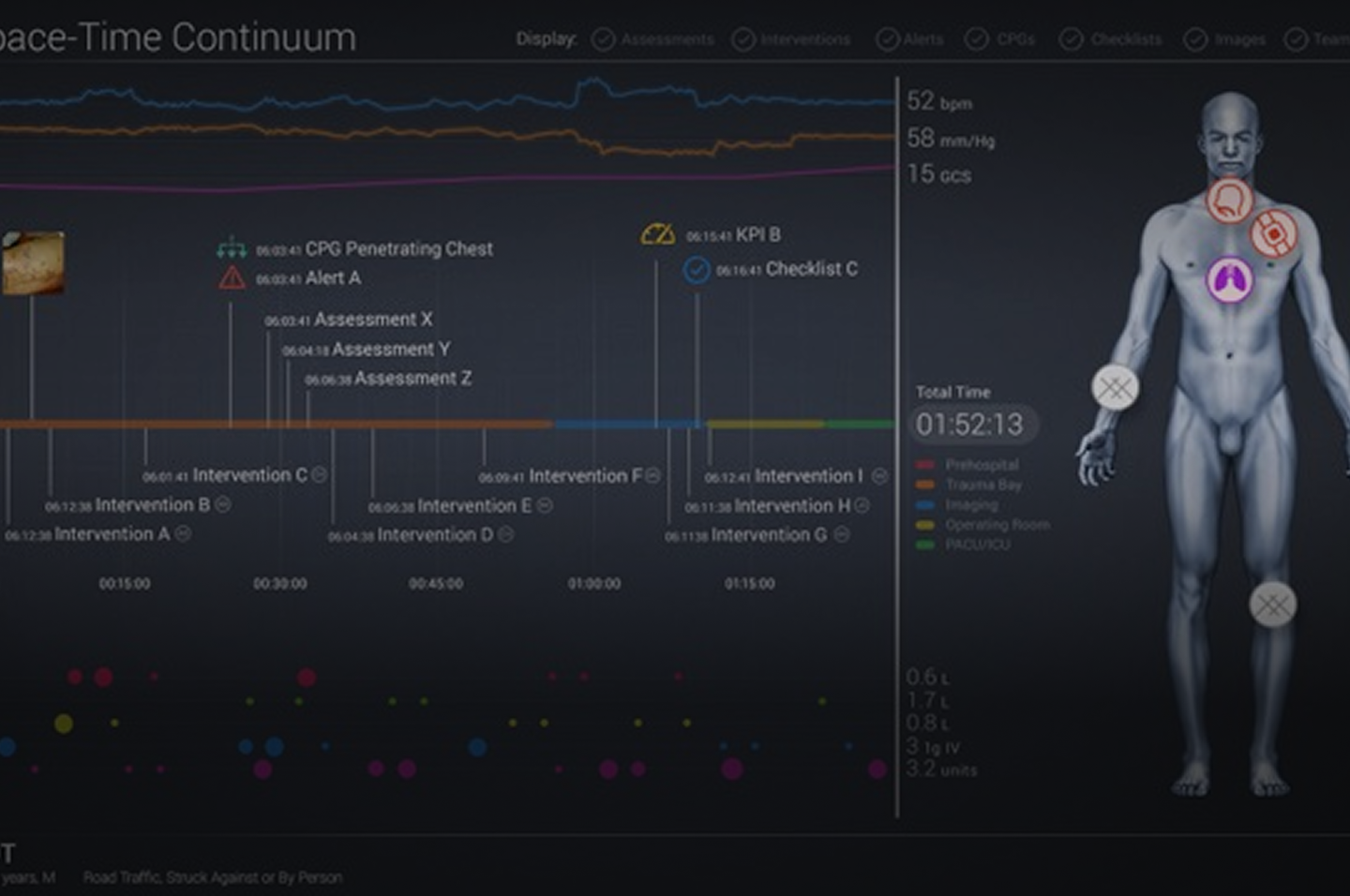
Since then, clinicians, operational medical personnel, engineers, and technology teams have worked together to adapt the platform for the realities of military medicine. The focus has remained consistent: deliver a system that supports care delivery in operational settings where time, bandwidth, infrastructure, and resources are often limited. This is a complex system of systems that informs clinical decision-making and quickly moves data across Department of War networks.
Now, that long arc of work is reaching the field.
But modernization does not happen through contracts alone. It happens through implementation.
Every successful deployment reduces friction for providers operating in demanding environments. Every workflow improvement helps clinicians document care faster and access information more reliably. Every integration milestone strengthens the larger operational health ecosystem supporting the force.
Over the past several months, a series of meaningful milestones has marked progress, not just for T6, but for the future of military medicine.
These incremental improvements may seem small in isolation. Together, they create meaningful operational advantage.
Operational Medicine is Part of The Battlespace
Modern operational medicine is no longer isolated from the broader operational environment.
Clinical readiness, casualty movement, patient visibility, and health intelligence trends increasingly contribute to operational awareness across the Joint Force. Accurate medical data now informs not only patient care, but decision-making at multiple levels of command.
That requires systems capable of securely moving health information across operational theaters, disconnected environments, and multiple echelons of care without sacrificing usability at the point of care.
OpMed CDP was built with that reality in mind.
The platform supports operational medical teams working in austere and low-bandwidth environments while enabling continuity of care from the tactical edge to higher levels of treatment. It also contributes data that supports broader operational awareness initiatives across the Department of War, including emerging CJADC2-enabled environments.
Where The Platform is Making an Impact
Recent deployments — from the Navy’s USS Carney to the Air Force’s Al Dhafra Air Base, the Army’s Mihail Kogălniceanu Air Base in Romania, Camp Bondsteel in Kosovo, Powidz in Poland, Illesheim in Germany, the U.S. Military Academy at West Point, and the White House Medical Unit — show T6 in action across a wide range of care settings where mission-focused care delivery matters more than the revenue-cycle priorities that shaped traditional EHRs.
These are more than technology fielding events. They are proof points that modernized operational medicine can work in the environments where it matters most: aboard ships, at forward operating bases, across deployed formations, in garrison facilities and executive care settings.
What makes this progress especially meaningful is that users are beginning to use an operational medicine system as a complement to MHS GENESIS in garrison environments. By improving workflow efficiency, accessibility, and continuity of care in dynamic settings, T6 helps ensure medical data can move with the patient, support the provider, and inform the mission, regardless of location in the world.
Operational medicine modernization is not theoretical. It is happening now, in the hands of clinicians and warfighters delivering care across the Joint Force.
Built For The Reality of The Mission
The mission is complex. The environments are unforgiving. And operational medicine demands systems built for speed, resilience, and adaptability.
That reality is reflected throughout the OpMed CDP effort itself. The program empowers accurate care documentation, informs decision making, enables secure interoperability across operational theaters in disconnected and low-bandwidth environments, and is specifically designed for resource-constrained deployed medical teams.
What excites us most is not simply where the platform is today, but where these incremental victories lead. Every successful sprint. Every integration milestone. Every user feedback cycle. Every shipboard deployment. Every new site brought online. Every enhancement that makes care delivery faster or health data more accessible. These are the building blocks of a more connected and capable military health ecosystem.
The Bottom Line
Modern warfare moves quickly. Medicine must move faster.
And while the work is never finished, we are proud of the progress being made alongside our partners across the Department of War, Defense Health Agency, JOMIS, and the operational medical community.
Technology alone does not improve operational medicine. The clinicians, nurses, Corpsmen, medics, and support teams delivering care in difficult environments do. Our responsibility is to give them tools worthy of the mission they carry.
Sometimes a mission win looks like a medic having the right information at the right moment. A faster handoff during casualty evacuation. A Corpsman catching an allergy before treatment. A commander identifying readiness concerns before they affect operational capability.
Because in the end, strengthening operational medicine is about more than software. It is about enabling the men and women who serve this country to receive the best possible care — anywhere in the world, under any conditions.
Small wins matter. They save time. They improve decisions. They strengthen readiness. And together, they build a more capable, more ready America.